In this article
Best AI for HR teams in 2026: onboarding, performance, and copilots
HR AI in 2026 split into three jobs: automating onboarding logistics, turning performance and engagement signals into manager insight, and answering the flood of routine employee questions through an HR copilot. The big shift this year is from generative AI that writes a policy email to agentic AI that actually onboards the employee. The short answer: Lattice for performance, BambooHR and Enboarder for onboarding, and Leena AI or Workday agents for employee support, layered onto your HR information system. To match the right tools to your headcount and existing systems, run it through our AI stack optimizer in about 30 seconds.
JOBS AI COVERS
Onboarding, performance and engagement, and employee support, each with a category leader.
CAPABILITY SPREAD
Six platforms reviewed; green is a core strength, amber secondary, grey out of scope, so strength concentrates in the leader per job.
TOOLS REVIEWED
Category leaders across onboarding, performance, and employee support, all layered onto your HRIS.

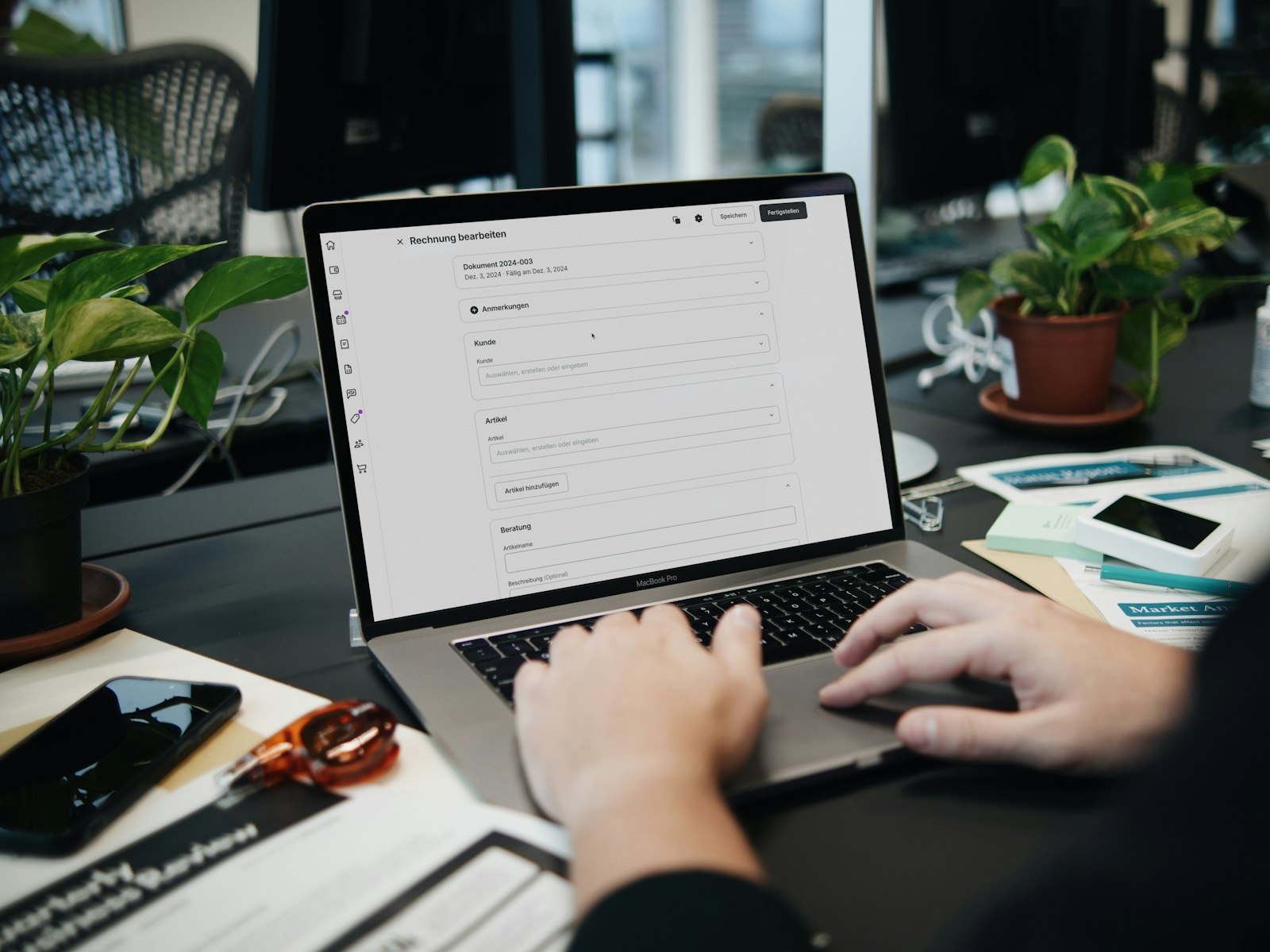
Desk setup for working with AI tools all day
As an Amazon Associate I earn from qualifying purchases.
What is HR AI, and what changed in 2026?
HR AI is the set of tools that apply machine intelligence to people operations: automating onboarding, surfacing performance and engagement insight, and answering employee questions. What changed in 2026 is the move from generative to agentic AI. The difference is concrete: a generative tool drafts the onboarding email, an agentic tool actually onboards the person, triggering account provisioning, document sending, and meeting scheduling as one workflow.
Generative
Writes the text
Productivity aid
Agentic
Takes the action
Operations change
That distinction is the single most useful lens for evaluating HR AI this year. A tool that only writes is a productivity aid; a tool that acts is an operations change. Both sit on top of your HRIS (HRIS), which remains the source of truth even as the intelligence layer above it gets smarter.
A tool that only writes is a productivity aid; a tool that acts is an operations change.GENERATIVE VS AGENTIC
Which HR AI tool leads each function?
HR AI has a clear category leader per job. Switch tabs to read what ships, where it shines, and who it fits for each of the three functions.
What leads here
BambooHR ships automated onboarding as a core feature: custom checklists and workflows that trigger automatically when a new hire is added. Enboarder uses AI to build hyper-personalized onboarding journeys with proactive manager nudges, and Sapling (now part of Kallidus) is strong for companies with many employee types or locations that need role-specific onboarding tracks.
Where it shines
- Automatic task routing the moment a hire is created, so nothing falls through the cracks.
- Role- and location-specific tracks instead of one generic checklist.
- Manager nudges that keep the human side of onboarding on schedule.
Best fit
Teams hiring regularly enough that onboarding logistics consume real HR time. The payoff is consistency and a better day-one experience, not headcount reduction.
What leads here
Lattice sits at the intersection of performance management and engagement, with an AI layer that synthesizes 360-degree feedback, engagement surveys, and OKR tracking into performance insights and recommendations for managers. It turns scattered signals into a coherent picture a manager can act on.
Where it shines
- Synthesizing feedback from many sources into a manager-ready summary.
- Connecting engagement-survey trends to performance conversations.
- Goal and review cycle structure that AI drafts but humans finalize.
Best fit
Companies that run structured review and engagement cycles and want managers spending time on the conversation, not on collating the inputs.
What leads here
Leena AI is an AI HR assistant that automates query resolution, onboarding tasks, and performance workflows, and Workday AI agents are embedded across the employee lifecycle on unified data. Both can resolve routine employee questions and increasingly execute multi-step workflows rather than just answering.
Where it shines
- Deflecting the high volume of repetitive policy and benefits questions.
- Grounding answers in approved company content rather than open-web guesses.
- Executing workflows like leave requests or onboarding steps end to end.
Best fit
Larger organizations where HR is buried in tier-one questions and a copilot can deflect the routine so the team handles the exceptions.
Which HR AI tool can do what?
A capability matrix by function shows where each tool's real strength sits. Green is a core strength, amber is supported but secondary, grey is out of scope. Read across the row for your most pressing need.
| Function | Lattice | BambooHR | Enboarder | Leena AI | Workday |
|---|---|---|---|---|---|
| Onboarding automation | ◐ | ✓ | ✓ | ✓ | ✓ |
| Performance / engagement | ✓ | ◐ | ○ | ◐ | ✓ |
| Employee support copilot | ○ | ◐ | ○ | ✓ | ✓ |
| System of record (HRIS) | ◐ | ✓ | ○ | ○ | ✓ |
| Agentic (executes workflows) | ◐ | ◐ | ◐ | ✓ | ✓ |
| Grounds answers in approved content | ◐ | ◐ | ○ | ✓ | ✓ |
| Best fit by size | SMB to mid | SMB to mid | Mid to ent | Mid to ent | Enterprise |
What do AI HR tools cost in 2026?
Most HR platforms price per employee per month, with AI features bundled into higher tiers or sold as add-ons; enterprise suites and dedicated copilots are typically demo-quoted. Because the unit is headcount, your real annual cost scales directly with company size, which makes the per-employee rate the number that matters.
| Tool | Primary job | Pricing model | Best fit |
|---|---|---|---|
| BambooHR | HRIS + onboarding | Per employee/motiered; AI in higher tiers | SMB to mid-market |
| Lattice | Performance | Per employee/moby module | SMB to mid-market |
| Enboarder | Onboarding | Demo-quotedby headcount | Mid to enterprise |
| Leena AI | HR copilot | Demo-quotedby employees + scope | Mid to enterprise |
| Workday | Suite + agents | Enterprisecommitted contract | Enterprise |
These postures are accurate as of late May 2026verified 2026-05-29; vendor tiers and AI bundling change, so confirm per-employee pricing and whether AI is included in your tier.
What do real HR AI stacks look like by team?
HR teams rarely buy one tool; they pick a stack matched to size and the jobs that hurt most. These are the patterns that work.
Where does HR AI fail, and what are the compliance risks?
HR is the highest-stakes place to deploy AI carelessly, because the outputs touch people's livelihoods and sit squarely inside employment law. The failure modes here are not just inconvenient; they are legal.
HR is the highest-stakes place to deploy AI carelessly, because the outputs touch people's livelihoods, and the failure modes here are not just inconvenient; they are legal.HR AI RISK
- Bias in decisions. A model trained on biased historical data can reproduce discrimination at scale. AI used in employment decisions is increasingly regulated, and the burden of proof sits with the employer.
- Confidently wrong policy answers. A copilot not grounded in approved content can invent a benefits rule or leave policy, which becomes a liability the moment an employee acts on it.
- Privacy of sensitive data. HR systems hold the most sensitive employee data, including PII; consumer-tier chatbots without enterprise data terms are the wrong place to process it.
- Over-automation of the human moments. Automating an onboarding checklist is good; automating the human welcome is how new hires feel like a ticket, not a person.
Which HR AI tools should you pick?
Pick a performance tool like Lattice if
- You run structured review and engagement cycles and managers are drowning in collating feedback.
- You want synthesized insight a manager can act on, with humans finalizing every rating.
Pick an onboarding tool like BambooHR or Enboarder if
- You hire often enough that onboarding logistics eat real HR time, or you onboard across many roles and locations.
- You want consistent day-one experiences and automatic task routing, not headcount cuts.
Pick an HR copilot like Leena AI or Workday agents if
- Your HR team is buried in repetitive policy and benefits questions at scale.
- You want a copilot that grounds answers in approved content and can execute routine workflows end to end.
Get the Small Business AI Stack guide (PDF)
Tool-by-function picks, a pricing comparison worksheet, setup guides, and a minimum viable AI stack for under $50 a month: a practical starting point before an HR-specific rollout.
Frequently asked questions
What is the best AI tool for HR teams in 2026?
It depends on the HR job. For performance and engagement, Lattice leads. For onboarding, BambooHR and Enboarder lead. For employee support and copilots, Leena AI and Workday AI agents lead. Most teams pair an HRIS with one or two specialized AI layers rather than buying a single do-everything platform.
What is the difference between an HRIS and an HR AI tool?
An HRIS is the system of record that stores employee data, payroll, and org structure. An HR AI tool adds intelligence on top: drafting, summarizing, answering questions, or executing workflows. Modern HRIS platforms now embed AI agents, so the line is blurring, but a dedicated AI tool typically goes deeper into a specific job than a general HRIS.
Can AI handle employee onboarding end to end?
For the workflow yes, for the human connection no. Agentic onboarding tools can trigger provisioning, send documents, and schedule meetings automatically. What they cannot do is build belonging. The strongest deployments automate logistics so HR can spend its time on the human side.
Is it safe to use AI for HR decisions like performance and hiring?
Use AI to draft and summarize, not to decide. AI in employment decisions is increasingly regulated and model bias is a real legal risk. The EEOC has stated that anti-discrimination law applies to AI-driven employment tools. Keep a human accountable for every consequential decision and document how the tool was used.
How much do AI HR tools cost in 2026?
Most price per employee per month, commonly single-digit to low-double-digit dollars for core HRIS and onboarding, with AI bundled into higher tiers or sold as add-ons. Enterprise suites and dedicated copilots are typically demo-quoted. Budget per headcount and confirm whether AI is included or priced separately.
What is the biggest HR AI trend in 2026?
The shift from generative AI that writes text to agentic AI that takes action. Leading tools can execute multi-step workflows like onboarding a new employee, triggering provisioning, document sending, and scheduling automatically, rather than just drafting an email. Evaluate tools on what they can do, not just what they can write.
Bottom line: how should an HR team buy AI in 2026?
Buy HR AI by job, not by brand. Use Lattice for performance and engagement, BambooHR or Enboarder for onboarding, and Leena AI or Workday agents for employee support, all sitting on top of a clean HRIS as the source of truth. Favor agentic tools that execute workflows over generative tools that only draft, automate the logistics while keeping the human moments human, and keep a person accountable for every employment decision. For the hiring side of people work, see our best AI tools for recruiters and for general office automation, best AI tools for small business. Teams budgeting for upskilling should note that training spend is often deductible; our friends at CeoCult cover profession-by-profession deductions.
- Lattice performance and engagement platform. verified 2026-05-29
- BambooHR onboarding and HRIS. verified 2026-05-29
- U.S. Equal Employment Opportunity Commission.
- U.S. Department of Labor.
Standards and research behind this page
Claims about what an AI tool can and cannot do are easiest to check against the standards bodies and research groups that measure these systems rather than against any vendor's own description. The sources below are the primary ones, linked so a reader can verify a claim here without taking this page's word for it.
- NIST AI Risk Management Framework is the US federal reference for evaluating and governing AI systems, including how their capabilities and limits should be characterised.
- NIST AI RMF Knowledge Base sets out the measurable characteristics of a trustworthy AI system, which is the vocabulary these comparisons use.
- Stanford HAI AI Index publishes the annual measured benchmarks on model capability, cost and adoption that vendor claims are checked against.
- National Science Foundation AI programme funds and documents the underlying research these products are built on.
- arXiv cs.AI carries the primary papers behind most model capability claims, usually months before a product mentions them.
- FTC Endorsement Guides governs how a review or recommendation must disclose a material connection, which is why the disclosure on this page exists.
- US Copyright Office states what copyright covers, which decides who owns the output of a generative tool.
- Section 508 defines the federal accessibility requirements a tool must meet to be usable in public-sector work.
This page compares tools and does not endorse one. Capabilities and pricing change frequently, and a reader should confirm current behaviour with the vendor before relying on it.